What Tools Are Essential for Content Marketing Planning?

Behind every successful content marketing strategy is the right set of tools. From brainstorming topics to tracking performance, using the right platforms helps you stay organized, save time, and make data-driven decisions.
If you want to build a scalable, effective strategy that supports powerful SEO marketing, you need to choose tools that cover every stage, planning, creation, optimization, and analysis.
Here are the essential tools for content marketing planning and execution that every marketer should know.

1. Google Analytics – Measure and Understand Your Audience
Google Analytics is one of the most important SEO tools for any marketer. It helps you track how visitors find and interact with your content.
With Google Analytics, you can:
- See which content drives the most traffic
- Understand where your audience comes from
- Measure engagement and conversions
- Identify what topics perform best
These insights help you adjust your content marketing strategy and focus on what actually works.
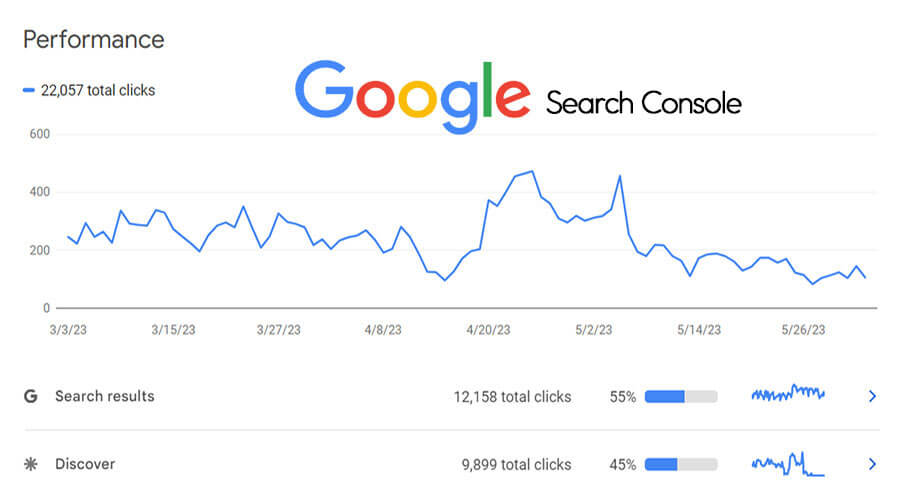
2. Google Search Console – Monitor SEO Performance
Another essential part of powerful SEO marketing is tracking your performance in search results.
Google Search Console allows you to:
- See which keywords bring traffic to your site
- Identify pages with high impressions but low clicks
- Find and fix indexing or mobile usability issues
- Track your website’s ranking performance
By analyzing this data, you can fine-tune your content for better visibility and stronger SEO results.
3. SEMrush or Ahrefs – Keyword Research and Competitor Analysis
Tools like SEMrush and Ahrefs are leaders in keyword and backlink analysis. They’re essential for planning your content strategy around real search data.
These platforms help you:
- Discover high-traffic, low-competition keywords
- Track your site’s ranking performance
- Analyze competitors’ content strategies
- Find backlink opportunities
Combining these insights with your content ideas ensures your content marketing is strategic, not guesswork.

4. Trello or Notion – Organize Your Content Workflow
Planning is just as important as publishing. Trello and Notion are excellent tools for organizing content calendars, assigning tasks, and tracking progress.
You can:
- Build an editorial calendar
- Manage team collaboration
- Track the status of every blog, post, or campaign
- Set deadlines for publishing and promotions
Using such tools ensures a smoother process for successful content marketing execution.
5. Grammarly – Polish Your Writing
Good writing builds trust. Grammarly helps you refine your content for clarity, grammar, and tone.
It’s especially helpful for maintaining a consistent voice across all your marketing materials — blogs, newsletters, and social posts. Clear and error-free writing improves user experience and supports powerful SEO marketing by keeping readers engaged longer.
6. Canva – Create Engaging Visuals
Visual content is a key part of content marketing. Whether you’re designing blog graphics, infographics, or social media visuals, Canva makes it easy.
You can use templates to quickly create branded visuals that enhance your storytelling. Eye-catching graphics also improve click-through rates and shareability.
7. Surfer SEO or Clearscope – Optimize Content for Search Engines
To make sure your content ranks well, you need optimization tools. Surfer SEO and Clearscope analyze top-ranking pages for your target keyword and guide you on how to improve your own content.
These SEO tools provide:
- Keyword density recommendations
- Related keyword suggestions
- Readability analysis
- Content structure improvements
By following these insights, you can create powerful SEO marketing content that’s optimized for both search engines and readers.

8. Buffer or Hootsuite – Manage Social Media Promotion
Promoting your content is a key part of successful content marketing. Tools like Buffer and Hootsuite help schedule and manage posts across multiple platforms.
You can:
- Schedule posts in advance
- Monitor engagement and analytics
- Stay consistent with your publishing schedule
This automation saves time and ensures your content reaches audiences at the best times.
9. HubSpot – Centralize Your Content Marketing Efforts
HubSpot is a comprehensive platform for managing your entire content marketing process, from planning to publishing and analytics.
It combines CRM, marketing automation, and SEO tools in one place. With HubSpot, you can track performance, manage leads, and align your marketing efforts for maximum impact.

Create The Perfect Content Marketing!
Building a successful content marketing strategy isn’t just about creativity, it’s about using the right tools to plan, execute, and analyze your efforts.
From keyword research to content distribution, each tool plays a role in creating a seamless workflow that supports powerful SEO marketing and long-term business growth.
Start small, test what works best for your goals, and gradually build a toolkit that helps you create smarter, data-driven content.
The right tools won’t just save you time, they’ll help your content perform better than ever.

Leave a Reply